
Blogpost
Making Informed Real Estate Decisions
In a market full of noise, independent evaluation helps you avoid hidden costs and protect long-term value.
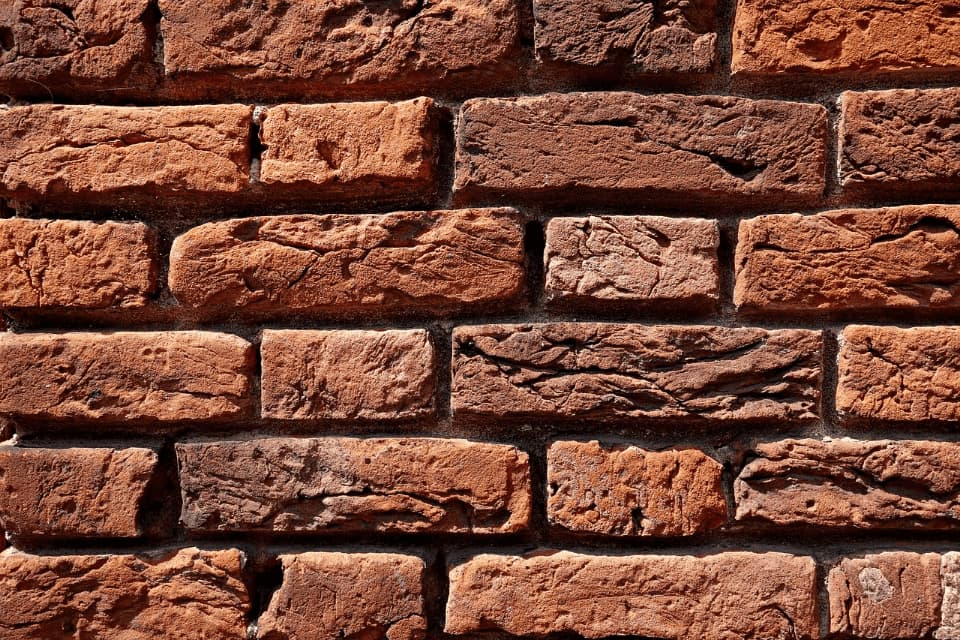
A comprehensive look at brick types, performance, and selection factors for Indian homes.
Bricks are a foundational element in Indian home construction, with their use tracing back to ancient civilizations like the Indus Valley. Even today, bricks remain indispensable due to their strength, versatility, durability, and availability.
As India experiences rapid urbanization and rural development, the importance of choosing the right type of brick for home construction cannot be overstated. This article explores the significance, types, and role of bricks in ensuring the safety, comfort, and longevity of homes.
Bricks serve as the structural backbone of homes in India, providing strength and stability to buildings. Their role extends beyond mere construction material and influences energy efficiency, aesthetics, and longevity.
In Indian home construction, bricks are primarily used for walls, both load-bearing and non-load-bearing. Load-bearing walls, especially in single-story homes and traditional houses, are made almost entirely of bricks, supporting the weight of the structure and transferring it to the foundation. In multi-story buildings, bricks are often used with steel reinforcement to enhance load-bearing capacity.
Bricks have high compressive strength, which makes them capable of withstanding substantial loads without cracking or collapsing. This is especially important in areas prone to seismic activity, such as Delhi, Gujarat, and parts of the Himalayas, where structural integrity is crucial.
Indian homes are often passed down through generations, making durability a key consideration. Bricks are resistant to rain, heat, and freezing temperatures, making them ideal for the diverse climatic conditions across India. Homes built with good-quality bricks can last for decades with minimal maintenance.
Brick walls regulate temperature within the house, keeping it cooler in summers and warmer in winters. This feature is particularly beneficial in regions like Rajasthan, Gujarat, and the Deccan Plateau, where extreme temperatures are common. Thick brick walls can reduce the need for artificial heating or cooling, leading to energy savings and enhanced comfort.
Fire safety is a critical concern in densely populated regions like Mumbai, Delhi, and Kolkata. Bricks are naturally fire resistant, and homes built with brick walls offer a higher level of protection against fire hazards. The non-combustible nature of bricks makes them an ideal material for both urban and rural homes.
Bricks provide sound insulation, an important factor in urban home construction in busy cities like Bangalore, Hyderabad, and Chennai. Thick brick walls can block external noise, creating a quieter indoor environment. In multi-story buildings and apartments, bricks are often used for partition walls to reduce sound transmission.
Bricks, especially eco-friendly variants like fly ash and compressed stabilized earth bricks (CSEB), play a role in reducing environmental impact. Fly ash bricks use industrial waste from coal plants, helping reduce pollution and minimizing the exploitation of natural clay resources.
India diverse geography and climate have led to the development of multiple brick types, each suited for specific construction needs. Choosing the right brick is crucial for strength, durability, and energy efficiency.
Burnt clay bricks, also known as red bricks, are the most commonly used type of bricks in Indian home construction. These bricks are made from clay, molded into rectangular blocks, and fired in a kiln.
Properties: High compressive strength and durability; porous and may absorb water; moderate thermal insulation.
Applications: Wall construction for load-bearing and partition walls; suitable for foundations, pillars, and other structural components.
Challenges: High carbon footprint from kiln firing; water absorption can be an issue in heavy rainfall unless treated.
Fly ash bricks are made using fly ash, a waste byproduct from coal-fired power plants, mixed with lime and gypsum. These bricks have gained popularity due to their eco-friendly nature and performance.
Properties: Lightweight yet strong; low water absorption; good thermal insulation; higher fire resistance.
Applications: Walls, partitions, and foundations in urban construction; suitable for earthquake-prone areas due to lower load.
Advantages: Eco-friendly and often lower cost than traditional clay bricks.
Concrete bricks are made from a mixture of cement, sand, and aggregates, making them durable and strong. These bricks are used in modern construction, particularly in urban areas where speed and strength are critical.
Properties: High compressive strength; uniform shape and size; lower thermal insulation than clay bricks.
Applications: Load-bearing and partition walls in residential and commercial buildings.
Challenges: Higher cost, though faster construction and enhanced strength often justify the expense.
Hollow bricks, also known as Porotherm bricks, contain air gaps that reduce weight and improve thermal insulation. They are gaining popularity in India due to their energy efficiency.
Properties: Lightweight; excellent thermal insulation; good sound insulation.
Applications: Walls in low-rise and high-rise buildings; partition walls; hot climates like Rajasthan and Gujarat.
Advantages: Faster construction and energy efficiency.
Challenges: Higher upfront cost, often offset by long-term energy savings.
Sand-lime bricks are made from a mixture of sand and lime. They are known for a smooth finish and high compressive strength, with lower porosity than clay bricks.
Properties: High compressive strength; smooth finish; resistant to moisture.
Applications: Exterior walls and humid areas such as coastal regions.
Advantages: Lower water absorption and better resistance to cracking and shrinkage.
Fire bricks are designed to withstand extremely high temperatures and are used in areas exposed to heat.
Properties: High heat and thermal shock resistance; durable and non-combustible.
Applications: Fireplaces, furnaces, tandoor ovens, chimneys, and brick ovens.
CSEB bricks are an eco-friendly option made from locally sourced soil, sand, and stabilizers like cement or lime. These bricks are cured naturally and do not require firing.
Properties: Low carbon footprint; good thermal insulation; design flexibility.
Uses: Rural and eco-friendly construction projects, especially in regions like Kerala and Himachal Pradesh.
When selecting bricks for a home, consider climate, structural requirements, aesthetics, and environmental impact.
Hot regions: Hollow or fly ash bricks may be preferred for their insulating properties.
Coastal areas: Sand-lime or fly ash bricks offer better resistance to moisture and salinity.
For load-bearing walls, especially in multi-story homes, bricks with high compressive strength such as concrete or burnt clay bricks are ideal.
Homes that emphasize design and architectural aesthetics may benefit from sand-lime bricks or exposed burnt clay bricks due to their smooth finish and visual appeal.
Eco-friendly construction can be supported by using CSEB or fly ash bricks to reduce environmental impact and promote sustainability.
Bricks are one of the most indispensable materials in home construction in India, providing a foundation of strength, durability, and versatility. The right brick choice depends on climate, structural requirements, and budget. From traditional burnt clay bricks to modern fly ash and hollow bricks, these materials remain critical to the Indian construction landscape and will continue to shape safe, comfortable, and durable homes for generations.
In a market full of noise, independent evaluation helps you avoid hidden costs and protect long-term value.

A detailed walkthrough covering approvals, design, budgeting, and execution for an individual plot in Delhi NCR.
Understand how steel grade, quantity, and sourcing directly affect safety and structural integrity.