
Blogpost
Making Informed Real Estate Decisions
In a market full of noise, independent evaluation helps you avoid hidden costs and protect long-term value.
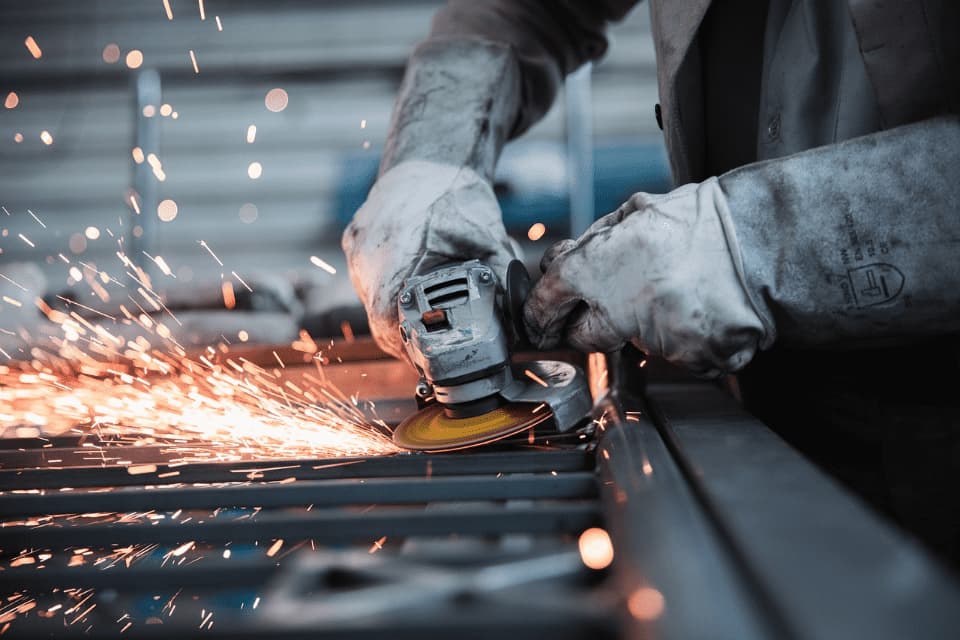
Understand how steel grade, quantity, and sourcing directly affect safety and structural integrity.
Steel has become an essential material in home construction, especially in India, where rapid urbanization, climatic variations, seismic activities, and sustainability concerns present unique challenges. From enhancing structural strength to offering design flexibility, steel properties make it invaluable in both urban and rural home construction.
This article provides a detailed examination of steel significance in home construction, covering its role in structural stability, design versatility, fire safety, environmental sustainability, and challenges specific to the Indian construction industry.
Steel has a superior strength-to-weight ratio compared to materials like brick or concrete, making it ideal for homes that require structural strength without excessive load. In urban Indian areas, where high-rise construction is common due to limited land availability, the lightweight nature of steel reduces the load on foundations and allows vertical expansion in densely populated cities like Mumbai, Delhi, and Bengaluru.
Steel strength also supports construction on smaller plots or in difficult terrain such as hilly regions like Himachal Pradesh or Uttarakhand, where space and soil conditions require materials that deliver maximum strength with minimal mass.
India is divided into several seismic zones, with regions like the Delhi NCR, Gujarat, and the Himalayan belt being particularly prone to earthquakes. Earthquake-resistant construction is a priority in these areas, and steel is a preferred choice for ensuring building safety.
While materials like brick or concrete can crack and fail under seismic forces, steel can bend without breaking, absorbing shock and redistributing it across the structure. Reinforced concrete structures (RCC) use steel bars (rebars) to enhance flexibility, allowing buildings to remain standing even during major seismic events. Indian Standard codes such as IS 1893 (Criteria for Earthquake Resistant Design of Structures) mandate the use of steel for reinforcing concrete in seismic zones.
India experiences a wide range of climatic conditions, from the hot, dry regions of Rajasthan to heavy monsoon areas like Kerala and the humidity of coastal cities like Chennai. Steel ability to withstand extreme environmental conditions makes it an ideal material for building homes that are strong and durable.
Unlike wood, which can warp in heat, or concrete, which can crack due to rapid temperature changes, steel remains stable under extreme heat, moisture, and cold. In coastal areas, corrosion can be a concern, but protective coatings such as galvanization or epoxy treatments allow steel to resist rusting and provide longevity in harsh conditions.
Reinforced Cement Concrete (RCC) is the backbone of modern construction in India, and steel is at the heart of this technique. Concrete is strong in compression but weak in tension, which makes it prone to cracking under tensile stresses. Steel is extremely strong in tension, and when used as reinforcement in concrete, it significantly enhances tensile strength.
RCC is commonly used in foundations, columns, beams, slabs, and walls in Indian homes. The steel rebar embedded in concrete helps distribute loads evenly, preventing cracking and increasing the overall lifespan of the building.
India climatic diversity means homes face extreme heat, monsoons, and humid coastal air. Steel-reinforced concrete structures offer greater durability than traditional brick or stone constructions, making them better suited to withstand the Indian climate.
Modern steel bars used in RCC construction in India, such as TMT (Thermo-Mechanically Treated) bars, come with anti-corrosive properties that help prevent deterioration due to moisture or humidity over time.
Fire safety is a significant concern in Indian home construction, particularly in densely populated urban areas. Steel is non-combustible, making it a safer choice for fire-prone environments. Unlike wood, which is flammable, or concrete, which can lose structural integrity under prolonged heat, steel can withstand high temperatures for longer periods without contributing to the spread of fire.
In modern construction, additional fireproofing measures are often applied to steel structures. Techniques like intumescent coatings or encasing steel beams and columns in concrete provide an extra layer of protection and delay heat-induced weakening.
The National Building Code of India (NBC) outlines fire safety requirements for residential buildings. Using fire-resistant materials like steel in load-bearing elements helps homes meet these safety requirements, especially in multi-story buildings and apartment complexes.
Steel is prized for its versatility, allowing architects to design homes with fewer constraints compared to traditional materials like brick or stone. Steel high strength allows for large, open spaces without the need for numerous internal load-bearing walls.
Steel can be molded, welded, and shaped into a variety of forms, enabling modern minimalist designs with open plans as well as traditional homes with complex roof structures. In cities like Bengaluru and Pune, steel supports contemporary architectural trends without compromising structural integrity.
Prefabrication is an emerging trend in Indian construction, where steel plays a central role. Prefabricated steel components such as beams, columns, and roof trusses are manufactured off-site and assembled on-site, reducing construction time and costs.
Prefabricated steel buildings are also used in affordable housing projects under schemes like the Pradhan Mantri Awas Yojana (PMAY), where rapid, low-cost housing delivery is critical.
Steel is 100 percent recyclable, and much of the steel used in construction today comes from recycled sources. This reduces the demand for virgin raw materials and contributes to lower carbon emissions during production.
In India, where sustainability is becoming a priority in construction, using steel aligns with green building practices. The India Green Building Council (IGBC) encourages the use of sustainable materials like steel to reduce environmental impact.
While steel itself is not an insulator, its use with modern insulation materials such as insulated steel panels can improve energy efficiency. In regions like Delhi, where homes face hot summers and cold winters, steel-framed homes can be designed to maintain thermal efficiency and reduce energy use.
Steel structures also allow for easy integration of energy-efficient technologies such as solar panels, supporting renewable energy adoption in Indian homes.
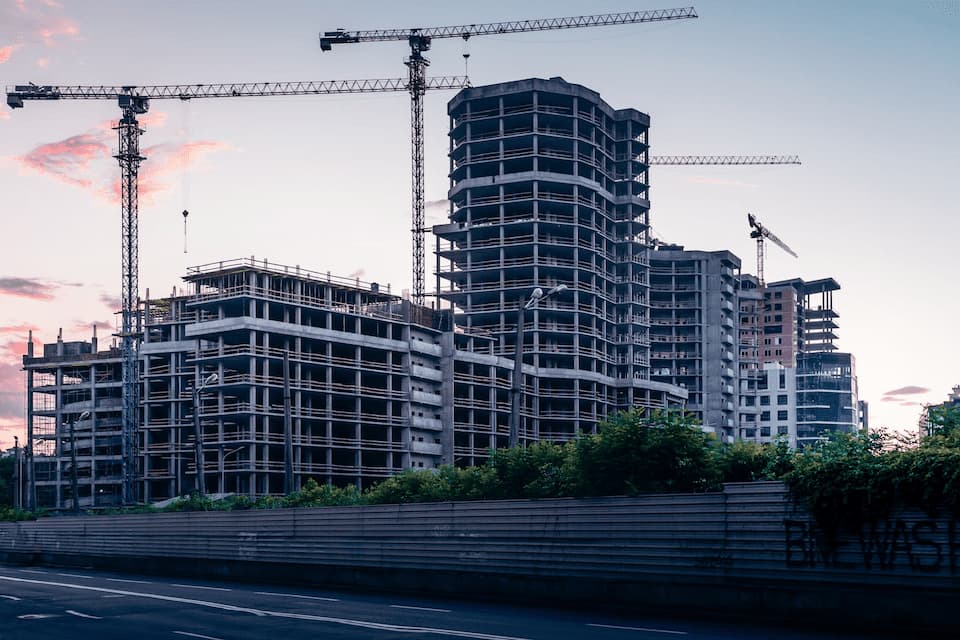
India is undergoing rapid urbanization, and cities like Mumbai, Hyderabad, and Bengaluru are witnessing a construction boom. Steel, with its strength, durability, and speed of construction, is crucial for supporting this urban expansion.
Multi-story residential buildings, commercial complexes, and infrastructure projects rely on steel for structural integrity and faster delivery, especially in land-scarce cities.
Affordable housing initiatives such as the Pradhan Mantri Awas Yojana (PMAY) use steel to enable faster, more cost-effective construction. Prefabricated steel homes and modular steel structures can be built quickly without compromising quality.
TMT bars are the most widely used type of steel in Indian home construction. They have superior tensile strength, ductility, and corrosion resistance, making them ideal for RCC structures.
Structural steel, including beams, columns, and girders, supports large loads and provides the skeleton for multi-story buildings. It is essential for homes with open floor plans and large windows, offering both strength and design flexibility.
Stainless steel is used in areas where corrosion resistance and hygiene are critical, such as kitchen fittings, railings, and bathroom fixtures. In coastal regions, stainless steel is preferred for external applications due to its resistance to rust and corrosion.
Although modern treatments like galvanization have improved steel resistance to corrosion, it remains a concern in coastal areas or regions with high humidity. Builders in these regions must invest in high-quality steel with anti-corrosive properties or apply protective coatings to enhance longevity.
Steel can be more expensive than traditional materials like wood or brick, especially when using high-quality stainless steel or treated steel. However, long-term benefits such as reduced maintenance costs, faster construction times, and better resistance to natural disasters often outweigh the initial cost.
Steel is not just a building material; it is the backbone of modern home construction in India. Its strength, durability, fire resistance, and flexibility make it essential for building homes that can withstand diverse climates and seismic risks.
As India continues to urbanize and the demand for sustainable, affordable housing grows, steel will play an even more pivotal role in shaping the future of construction. From multi-story apartments in Delhi to eco-friendly homes in rural Maharashtra, steel offers solutions that meet current needs and future demands.
In a market full of noise, independent evaluation helps you avoid hidden costs and protect long-term value.
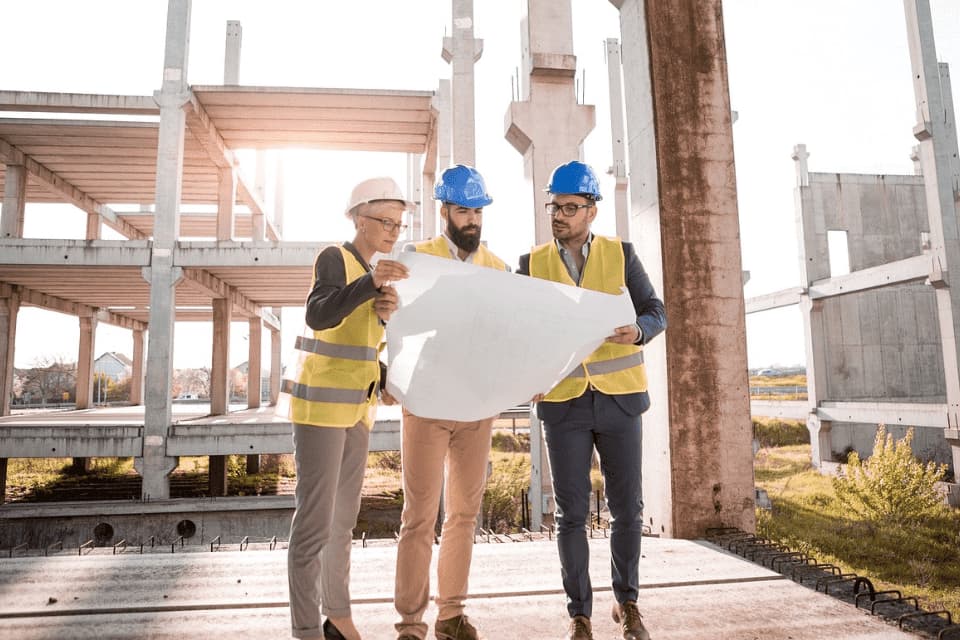
A detailed walkthrough covering approvals, design, budgeting, and execution for an individual plot in Delhi NCR.
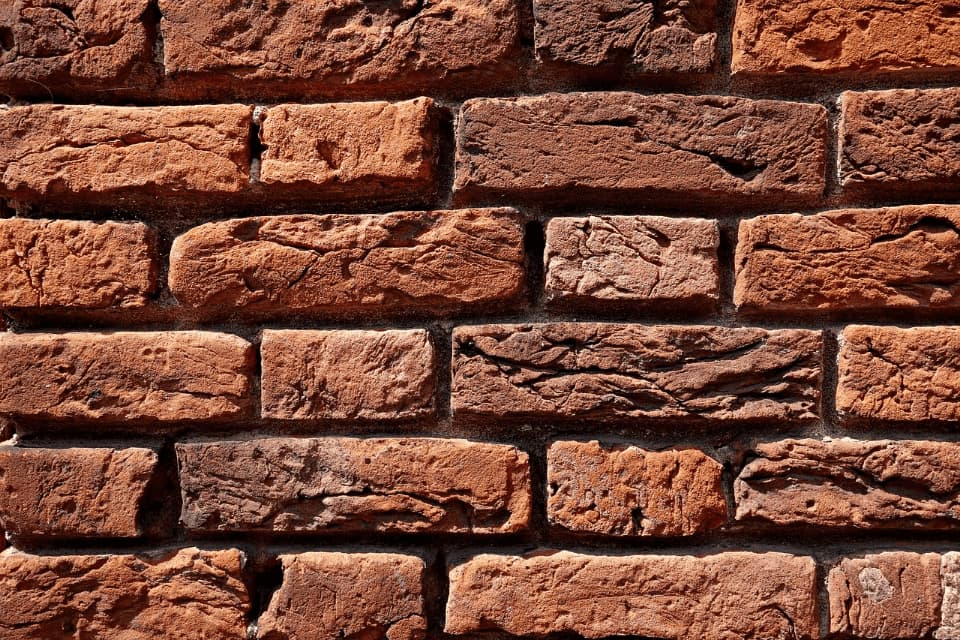
A comprehensive look at brick types, performance, and selection factors for Indian homes.