Guide to Electrical Circuit Design for Home Construction
A practical guide to wiring sizes, conduits, switches, MCBs, and load planning for safe homes.
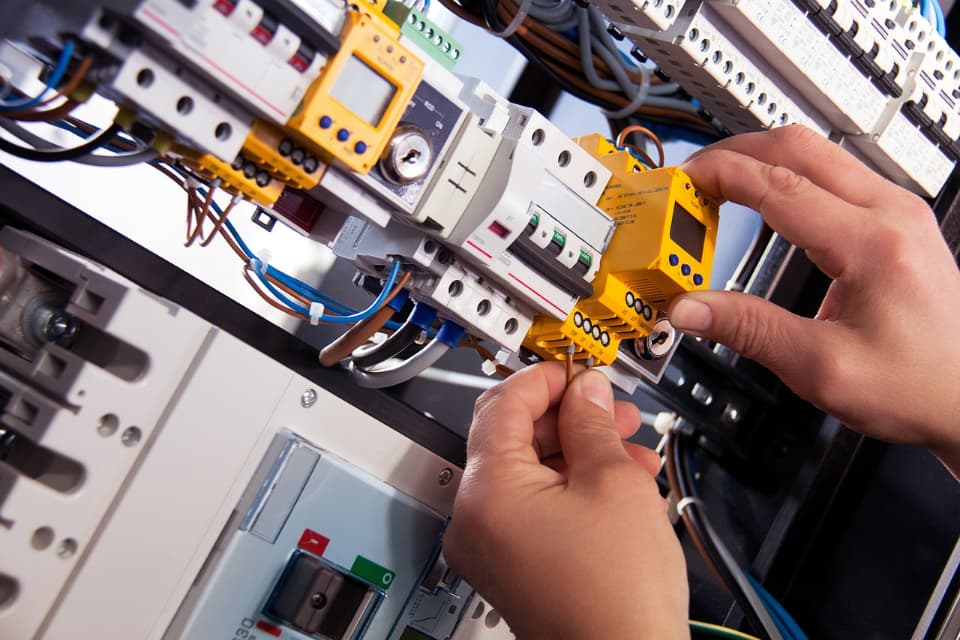
When constructing a new home, the electrical system is one of the most critical components. A well-designed and properly installed system ensures convenience and protects occupants from hazards. This guide covers wiring, conduits, switches, MCBs, ELCBs, and best practices for wiring sizes, ratings, and appliance loads.
1. Electrical Wiring in Home Construction
Electrical wiring is the network of wires and cables that connects appliances, switches, and outlets to the main power supply. The wire type, size, and rating determine safety and performance.
Types of Electrical Wiring
- Non-Metallic Sheathed Wire (NM Cable): Common for indoor residential use; insulated wires in a plastic sheath.
- Armored Cable (AC): Insulated wires wrapped in a flexible metal sheath for added protection.
- Conduit Wiring: Wires run through PVC or metal conduits for safety and neatness.
- Single-Core Cables: Single insulated wires for simple connections.
- Flexible Cables: Used for devices like fans and appliances.
2. Wiring Sizes and Ratings
Wire size determines how much current it can safely carry without overheating. It is measured in square millimeters (mm2) or AWG.
Common Wire Sizes for Home Wiring
- 1.5 mm2 (16 AWG): Lighting and low-power loads; 10-15 amps.
- 2.5 mm2 (14 AWG): General outlets; 16-25 amps.
- 4 mm2 (12 AWG): Heavy appliances like ACs and geysers; 25-32 amps.
- 6 mm2 (10 AWG): High-power devices like water heaters and ovens; 40-45 amps.
- 10 mm2 (8 AWG): Very high power circuits; 60-70 amps.
Selecting the correct wire size prevents overheating, fire risk, and voltage drops that can affect appliance performance.
3. Conduiting in Electrical Installations
Conduits protect wiring and keep installations neat. They are typically PVC or metal.
Types of Electrical Conduits
- PVC Conduits: Affordable, lightweight, and corrosion resistant.
- Metal Conduits (EMT or rigid): Strong and durable, used for exposed or outdoor runs.
- Flexible Metal Conduits (FMC): Used where rigid conduits cannot be easily installed.
Conduit Installation Best Practices
- Route planning: Minimize bends and junctions to ease wire pulling.
- Conduit sizing: Avoid overcrowding to prevent heat buildup.
- Waterproofing: Use seals for outdoor installations.
- Junction boxes: Keep connection points accessible for maintenance.
4. Switches and Sockets
Switches and sockets control and connect devices to power. Their type, rating, and placement affect safety and usability.
Types of Switches
- Single-pole: Controls one device from one location.
- Double-pole: Used for higher voltage appliances.
- Three-way and four-way: Control lights from multiple locations.
- Dimmer: Adjusts lighting intensity.
Types of Sockets
- Standard 5/15A: General appliances and chargers.
- Dedicated 16A/20A: High-power appliances like ACs and microwaves.
- Universal: Supports multiple plug types.
Switch and Socket Ratings
Most homes use 6A and 16A switches and sockets. High-power devices should use 20A or 25A ratings.
5. MCBs and ELCBs: Ensuring Electrical Safety
Miniature Circuit Breakers (MCBs)
MCBs protect circuits by tripping during overloads or short circuits. Common ratings include 6A, 10A, 16A, 20A, 25A, and 32A.
- Type B: Trips at 3-5 times rated current, suited for residential wiring.
- Type C: Trips at 5-10 times rated current, for moderate loads like ACs.
- Type D: Trips at 10-20 times rated current, for high-inrush loads like motors.
Earth Leakage Circuit Breakers (ELCBs)
ELCBs (also called RCDs) protect against electric shock by detecting leakage currents and disconnecting power. Typical trip sensitivity is 30 mA in residential use.
6. Electrical Load Calculations and Appliance Ratings
Understanding appliance power consumption helps select correct wiring, sockets, and breakers. Loads are measured in watts (W) or kilowatts (kW).
Common Appliance Power Ratings and Wiring Recommendations
- Lighting: 5-15 W; 1.5 mm2 wiring.
- Fans: 50-75 W; 1.5 mm2 wiring.
- Television: 100-200 W; 2.5 mm2 wiring.
- Refrigerator: 200-400 W; dedicated 2.5 mm2 wiring.
- Microwave: 800-1500 W; 2.5 or 4 mm2 wiring.
- Air conditioner (1.5-2 ton): 1500-3000 W; 4 or 6 mm2 wiring.
- Water heater (geyser): 1000-3000 W; 4 or 6 mm2 wiring.
Match wire size to load and ensure MCB ratings match the maximum current drawn.
Conclusion
Designing a safe and efficient electrical system requires planning, proper materials, and adherence to safety standards. Correct wire sizes, quality conduits, and protection devices like MCBs and ELCBs ensure reliable performance and protect occupants for years to come.