
Guide to HVAC Systems for Homes
A detailed guide to HVAC components, system types, sizing, and maintenance for homes.
Heating, Ventilation, and Air Conditioning (HVAC) systems are essential for maintaining comfort and air quality in homes. They control indoor temperature, humidity, and air cleanliness, ensuring a comfortable living environment year-round.
Understanding how HVAC systems work and selecting the right system for your home is crucial for comfort, energy efficiency, and cost management. This guide covers components, system types, tonnage calculations, selection factors, and maintenance tips.
1. Components of an HVAC System
An HVAC system has three primary functions: heating, ventilation, and air conditioning. Each contributes to year-round comfort and a healthy indoor environment.
- Heating: Warms indoor air during colder months. Furnaces, boilers, or heat pumps are typical heat sources.
- Furnaces: Burn fuel to generate heat, then circulate air through the home.
- Heat pumps: Transfer heat from outside air (or ground) to indoors, efficient in moderate climates.
- Ventilation: Brings in fresh air and exhausts stale air to control humidity and pollutants.
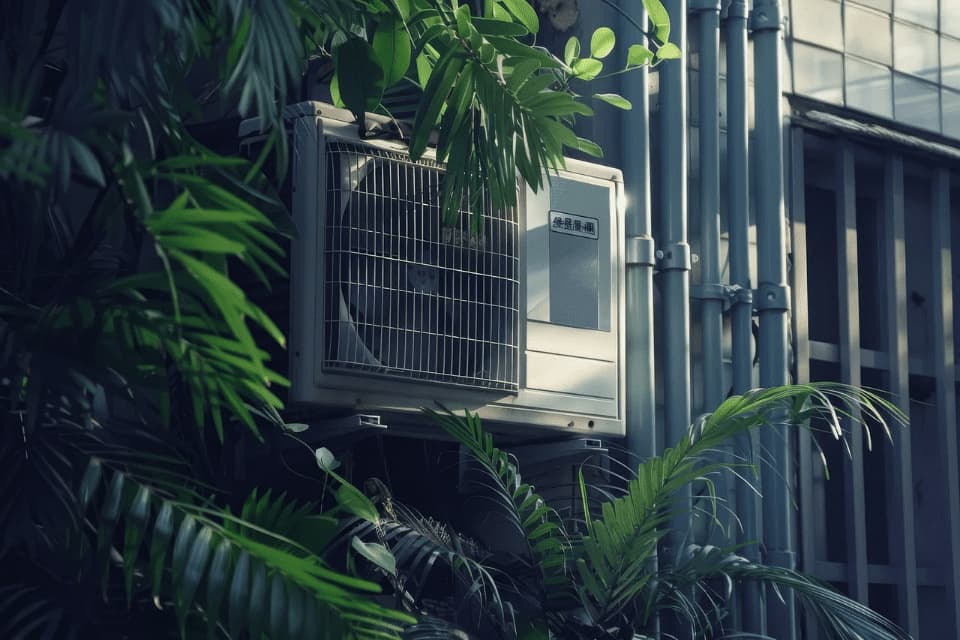
- Air conditioning: Uses refrigerants to absorb heat indoors and expel it outdoors; central systems use ducts while ductless systems use wall-mounted units.
2. Types of HVAC Systems
A. Split System
The most common residential setup with an outdoor and indoor unit. Outdoor handles cooling; indoor handles heating.
- Pros: Efficient, cost-effective, good for homes with ductwork.
- Cons: Requires ducts, higher installation cost if ducts do not exist.
B. Ductless Mini-Split Systems
Outdoor compressor with one or more indoor units. Each indoor unit can operate independently.
- Pros: Zoned control, energy-efficient, ideal without ducts.
- Cons: Higher upfront cost and visible indoor units.
C. Heat Pump System
Heat pumps provide both heating and cooling. Air-source works in moderate climates; ground-source (geothermal) is more efficient but expensive.
- Pros: Efficient and environmentally friendly.
- Cons: Air-source can struggle in extreme cold; geothermal has high install cost.
D. Packaged Systems
All heating and cooling components in a single outdoor unit, useful for homes with limited indoor space.
- Pros: Space-saving, all-in-one.
- Cons: Often less efficient and exposed to outdoor conditions.
E. Hybrid Systems
Combine a gas furnace with an electric heat pump, switching between them based on outdoor temperature.
- Pros: High efficiency across varying climates.
- Cons: Higher upfront cost due to complexity.
3. Tonnage Calculations for HVAC Systems
Tonnage refers to the amount of heat an air conditioning system can remove per hour. One ton equals 12,000 BTUs per hour.
Why Proper Sizing Matters
- Undersized systems struggle to maintain temperature, causing higher energy use and wear.
- Oversized systems short-cycle, waste energy, and control humidity poorly.
How to Estimate HVAC Tonnage
- Measure square footage of your home.
- Multiply square footage by 25 to estimate required BTUs.
- Divide by 12,000 to convert BTUs to tons.
Example: 2,000 sq ft x 25 = 50,000 BTUs. 50,000 / 12,000 = 4.17 tons, so a 4-ton unit is suitable.
Other Factors Influencing Tonnage
- Climate zone: Hotter regions need higher tonnage.
- Insulation: Better insulation requires less capacity.
- Window orientation and size: Large south-facing windows increase heat gain.
- Ceiling height: Higher ceilings require more capacity.
For precise sizing, use a Manual J load calculation by a professional.
4. Factors to Consider When Choosing an HVAC System
A. System Size and Capacity
An improperly sized system leads to inefficiency and discomfort. Use tonnage calculations and professional load assessments.
B. Energy Efficiency
Look for high SEER ratings for cooling and high AFUE ratings for heating to reduce energy costs.
C. Climate
Heat pumps suit moderate climates, while colder regions may need gas furnaces or boilers.
D. Ductwork
Homes with ductwork can use split systems efficiently; homes without ducts may prefer ductless or packaged systems.
E. Indoor Air Quality
Filters, purifiers, and humidifiers can be added for better air quality, especially for allergy or asthma concerns.
F. Cost
Consider installation cost along with long-term energy savings, repair costs, and incentives for efficient models.
5. Maintenance Tips for HVAC Systems
- Change filters every 1-3 months to maintain airflow and air quality.
- Clean ducts and vents to remove dust and debris.
- Schedule annual professional maintenance for coils, refrigerant, and controls.
- Use programmable or smart thermostats to optimize energy use.
- Keep outdoor units clear of debris to ensure airflow.
6. Smart HVAC Systems and Home Automation
Smart HVAC systems can be controlled remotely and optimize comfort and efficiency. Smart thermostats learn user preferences and provide insights into energy use.
Conclusion
Selecting the right HVAC system ensures comfort, energy efficiency, and long-term cost savings. Understanding system types, tonnage, and maintenance helps homeowners make informed decisions and keep energy bills under control.