

Blogpost
Making Informed Real Estate Decisions
In a market full of noise, independent evaluation helps you avoid hidden costs and protect long-term value.
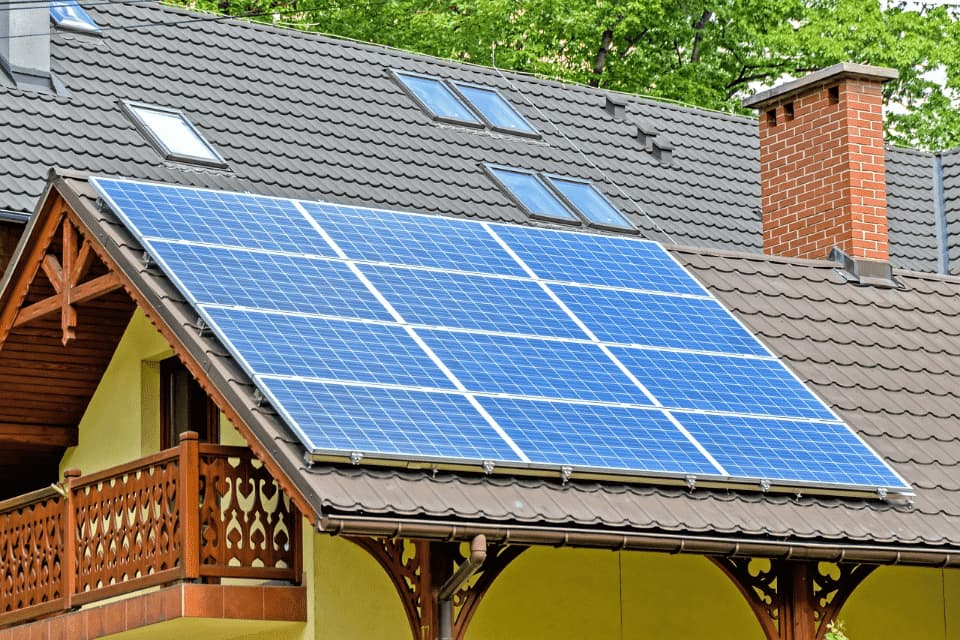
A complete guide to rooftop solar systems, benefits, challenges, and approvals in Delhi NCR.
As India continues to confront the dual challenges of escalating energy demands and climate change, rooftop solar technology has emerged as a practical and sustainable solution for individual homeowners. In the National Capital Region (NCR), where urbanization and energy consumption are rising, rooftop solar can reduce pressure on traditional energy sources while providing cost-effective, eco-friendly energy.
This guide explains rooftop solar technology, its components, benefits, challenges, and the regulatory framework that governs installations in Delhi NCR.
Rooftop solar allows homeowners to generate their own electricity, reducing dependence on the grid. In Delhi NCR, where power outages still occur, on-site generation provides energy security and self-sufficiency.
Solar energy is clean and renewable. Installing solar panels reduces greenhouse gas emissions, improves air quality, and supports a sustainable energy future.
Rooftop solar can lower electricity bills. With rising tariffs in urban areas like Delhi, solar offers long-term savings and cost stability.
The Indian and state governments provide incentives, including subsidies, tax benefits, and simplified financing, making installations more affordable for homeowners.
Expanding renewable energy reduces reliance on imported fuels and strengthens national energy security. Homeowners who adopt solar contribute to this larger goal.
A rooftop solar system includes several components that convert sunlight into usable electricity. Understanding each part helps homeowners make informed choices.
Solar panels contain photovoltaic (PV) cells that convert sunlight into direct current (DC) electricity.
Monocrystalline panels: High efficiency, less space required.
Polycrystalline panels: More affordable, require more space.
Thin-film panels: Lightweight and flexible, used in niche cases.
The inverter converts DC electricity into alternating current (AC) used in homes.
String inverters: Common and cost-effective, but shade on one panel affects the string.
Microinverters: Installed per panel for higher performance in partial shade.
Hybrid inverters: Support battery storage and backup.
Mounting structures secure panels to the roof and ensure stability.
Fixed mounts: Most common for residential systems.
Adjustable mounts: Allow seasonal angle changes.
Ballasted mounts: Used on flat roofs without roof penetration.
Battery storage lets homeowners use surplus power at night or during outages.
Lead-acid: Lower upfront cost, shorter lifespan.
Lithium-ion: Higher efficiency, longer lifespan, better performance.
Monitoring systems track real-time energy generation and consumption, and send alerts for performance issues.
Generating electricity on-site reduces reliance on grid power and lowers monthly bills.
Delhi NCR net metering allows homeowners to export excess power to the grid and earn credits that offset future bills.
Homes with solar systems often command higher resale value and faster sales.
Solar systems need limited maintenance. Regular cleaning and inspections typically suffice, and panels often carry warranties of 25 years or more.
Distributed solar reduces strain on the grid and helps mitigate energy shortages.
The solar sector supports jobs in manufacturing, installation, maintenance, and related services.
Upfront costs can be a barrier, though long-term savings usually offset the initial investment.
Roof orientation, shading, and structural integrity affect feasibility. Not every home has optimal roof space.
Permits and compliance can be complex, but initiatives are simplifying these processes.
Homeowners should consult experienced providers to choose the right system and components.
Some homeowners worry about visual impact, but newer panel designs integrate better with modern architecture.
Delhi Solar Policy targets expanded rooftop adoption and sets capacity goals across residential, commercial, and industrial sectors.
Subsidies: Homeowners can receive subsidies such as Rs 20,000 per kW (up to defined limits).
Net metering: Excess power export provides bill credits.
A single-window clearance system reduces bureaucratic delays and speeds up implementation.
Quality standards and certifications ensure safety and performance. Use certified equipment and installers.
Government and NGOs conduct awareness campaigns to educate homeowners and guide installations.
Assess energy needs, roof structure, and sunlight availability to determine system size and savings.
Engage certified providers, obtain multiple quotes, and review track records and customer feedback.
System design should include panel layout, inverter placement, and wiring, with attention to orientation and shading.
Orientation and tilt: Panels in Delhi typically face south with a tilt of about 15-30 degrees.
Shading analysis: Check for trees or nearby buildings that reduce output.
Work with your provider to obtain required permits and approvals from local authorities.
After approvals, installation includes panels, inverters, and mounting structures. Typical timelines range from one to three days.
Systems are inspected for compliance, then connected to the grid so homeowners can begin generating power.
Monitor performance regularly to catch issues early and maintain optimal output.
Rooftop solar offers a transformative opportunity for homeowners in Delhi NCR to reduce electricity bills, improve energy security, and support a sustainable future.
With proper planning, assessment, and execution, rooftop solar can turn homes into self-sustaining energy hubs and deliver long-term financial and environmental benefits for generations to come.
In a market full of noise, independent evaluation helps you avoid hidden costs and protect long-term value.

A detailed walkthrough covering approvals, design, budgeting, and execution for an individual plot in Delhi NCR.
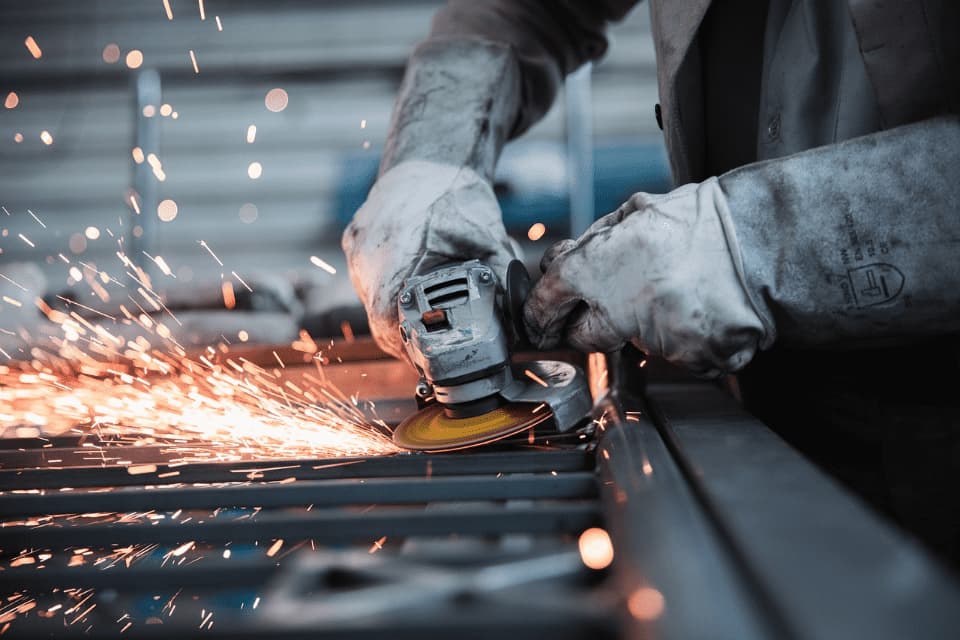
Understand how steel grade, quantity, and sourcing directly affect safety and structural integrity.